Thondar Newsroom
As an academic platform focused on cutting-edge technologies in myopia control, the fourth session of the MRT Lecture Series was successfully held on December 18, 2025. Centered on the theme “Case-Based Practice: How to Achieve Zero Myopia Progression Over Three Years?”, the event featured real-world clinical case sharing and in-depth analysis of core fitting techniques. The program clearly demonstrated the application value of MRT personalized data and standardized fitting protocols for defocus-customized spectacles, providing clinicians with reproducible and practical professional references for myopia control in clinical practice.
Clinical Evidence: Zero Myopia Progression Over Three Years—MRT Empowering Personalized Myopia Control
Director Lina Yang from Beijing Remote Vision presented a highly valuable clinical case. In this case, an 11-year-old myopic patient initially wore orthokeratology (OK) lenses for 16 months. Due to rheumatic myocarditis, lens wear was discontinued for 1.5 months, after which the patient was switched to defocus spectacles customized based on MRT data (I.O.R.C. defocus lenses), with continuous follow-up for 35 months (nearly three years). The follow-up results demonstrated zero progression in myopic refractive error. Axial length control was excellent, with an increase of only 0.14 mm in the right eye and 0.15 mm in the left eye. Binocular visual function also showed significant improvement, with parameters such as accommodative facility reaching target levels.
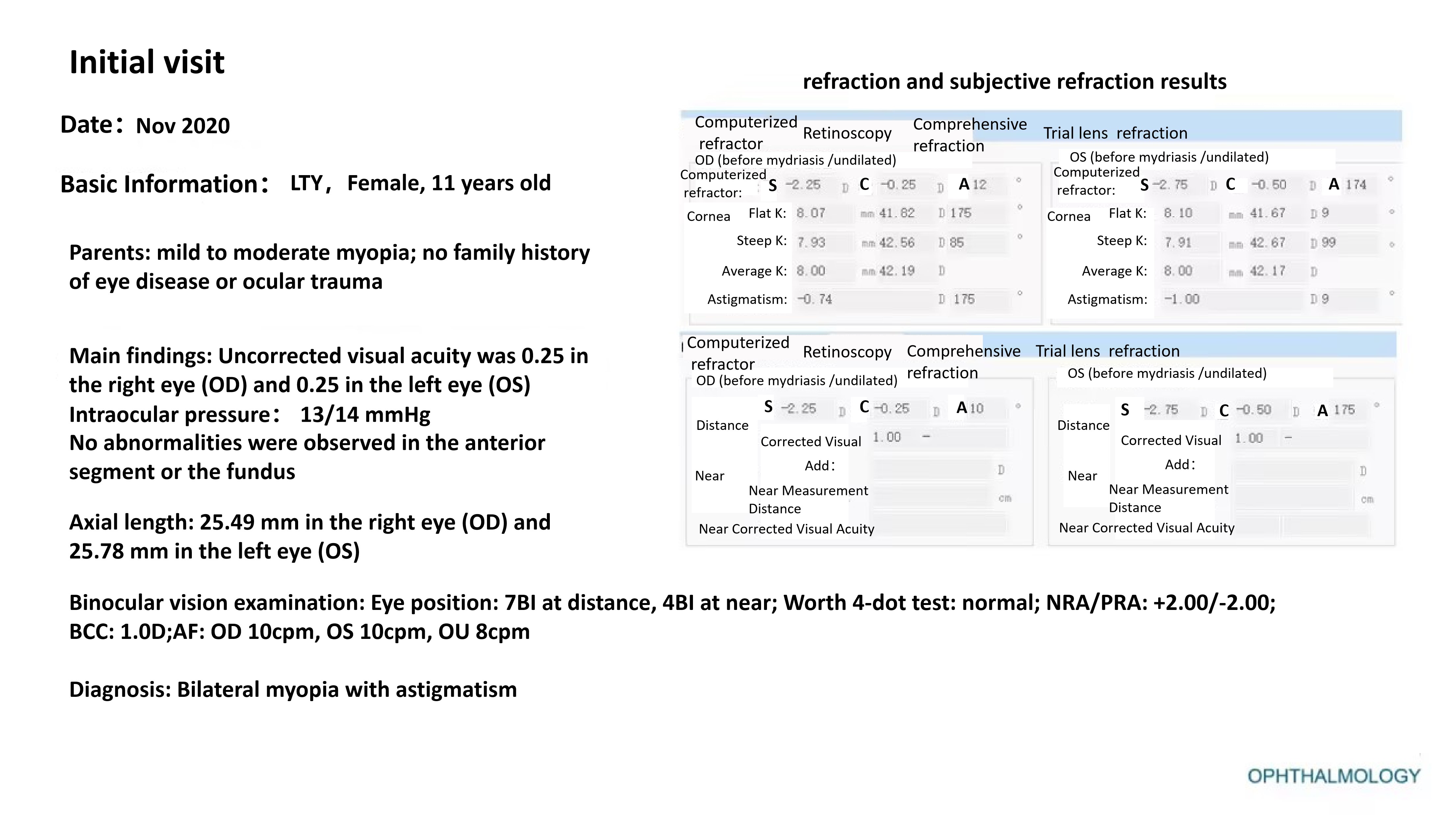
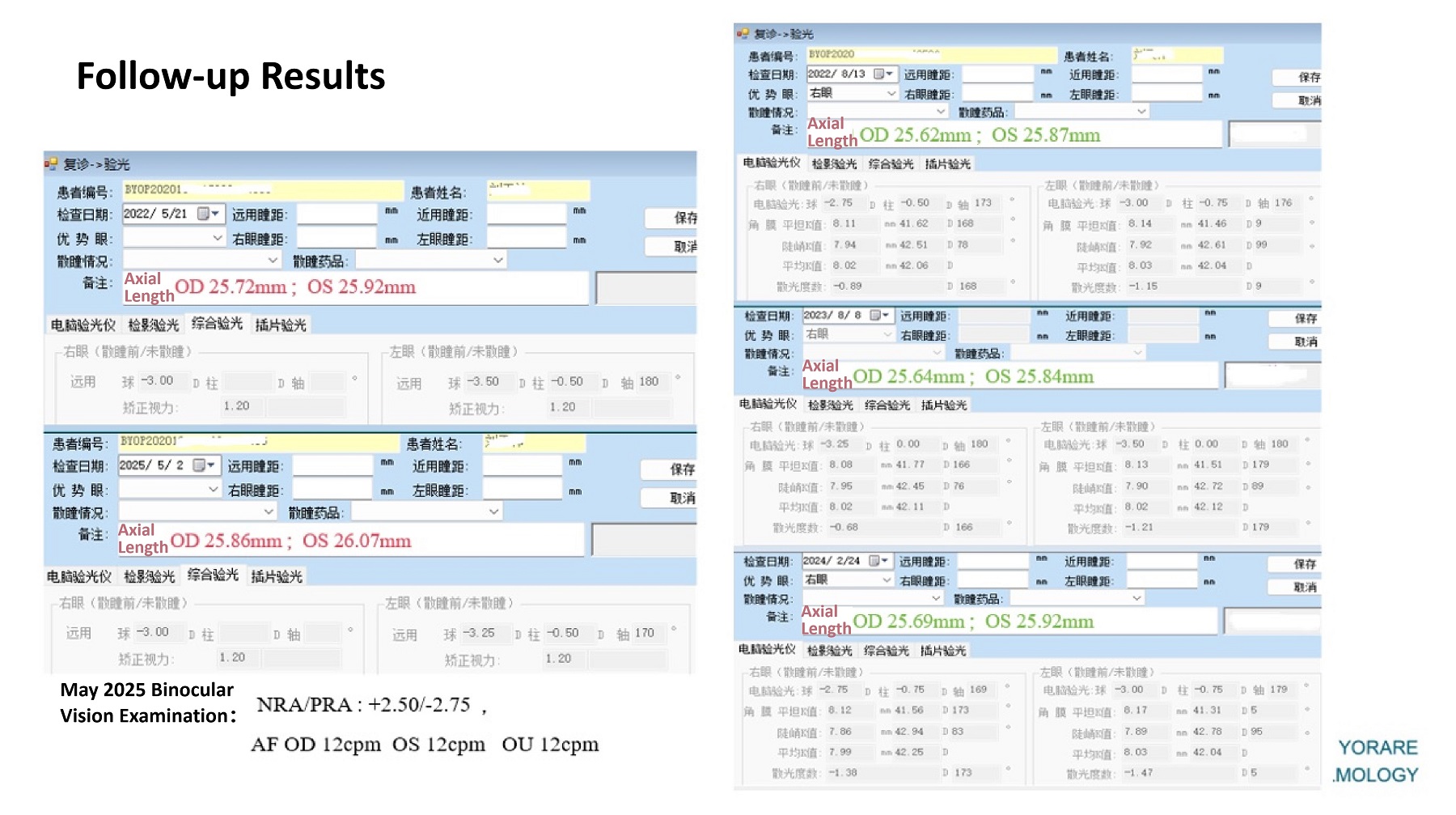
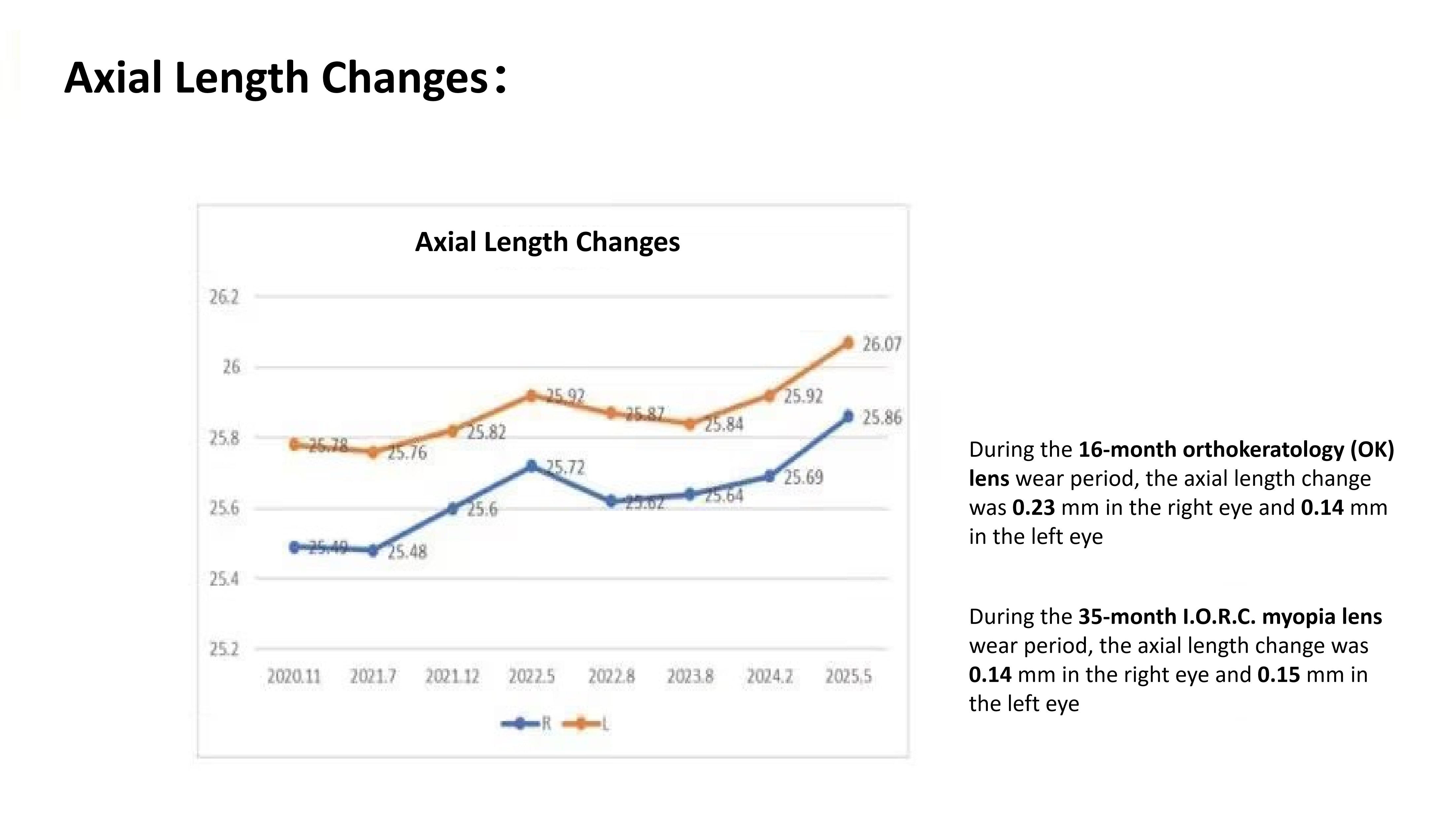

Director Lina Yang emphasized that MRT technology enables comprehensive measurement of retinal peripheral refraction (RPR) distribution within a 53° field of view, providing precise data support for the personalized design of I.O.R.C. defocus spectacles. By fitting the peripheral retinal profile, MRT helps achieve stable and optimal myopic defocus levels, which is the key factor enabling patients to maintain long-term myopia control outcomes. This case also confirms that defocus-customized spectacles can continue to deliver effective myopia control after discontinuation of orthokeratology (OK) lens wear, offering myopic patients a diversified range of myopia management options.
Fitting Standards: Details Determine Outcomes—Avoiding Pitfalls to Enhance Myopia Control Quality
Dr. Xuechuan Dong from Thondar focused on the core fitting techniques for I.O.R.C. defocus-customized spectacles, breaking down the key points that improve myopia control effectiveness from a clinical practice perspective. Dr. Dong clearly pointed out that undercorrection is a major pitfall in myopia management: it not only directly compromises control efficacy but may also create the false impression of rapid myopia progression. He emphasized that prescribing spectacles immediately after cycloplegic refraction can easily lead to undercorrection. Clinicians should follow the MPMVA principle (the minimum prescription that achieves best-corrected visual acuity) or confirm with a post-cycloplegic small-pupil refraction before issuing the prescription.
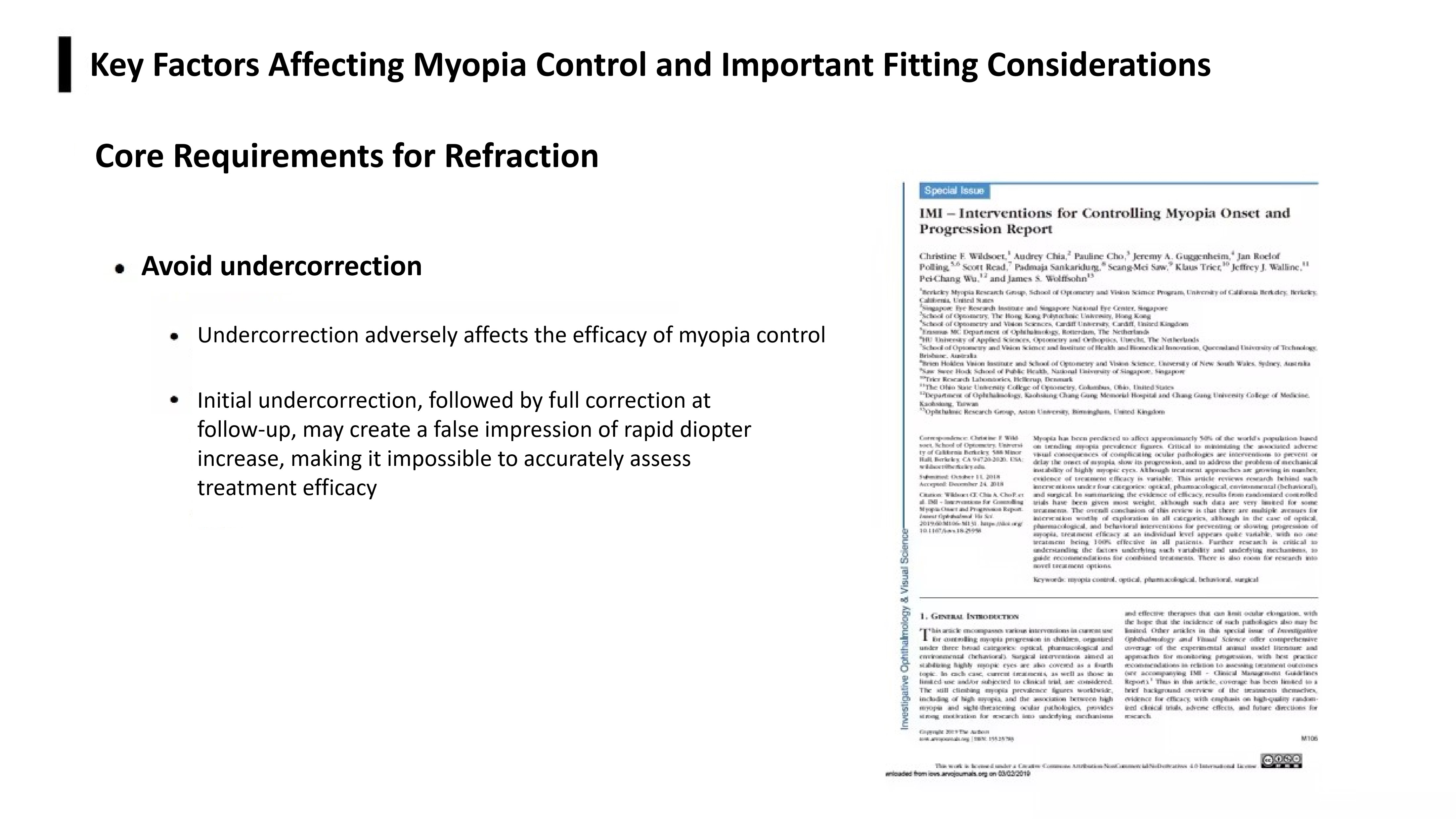
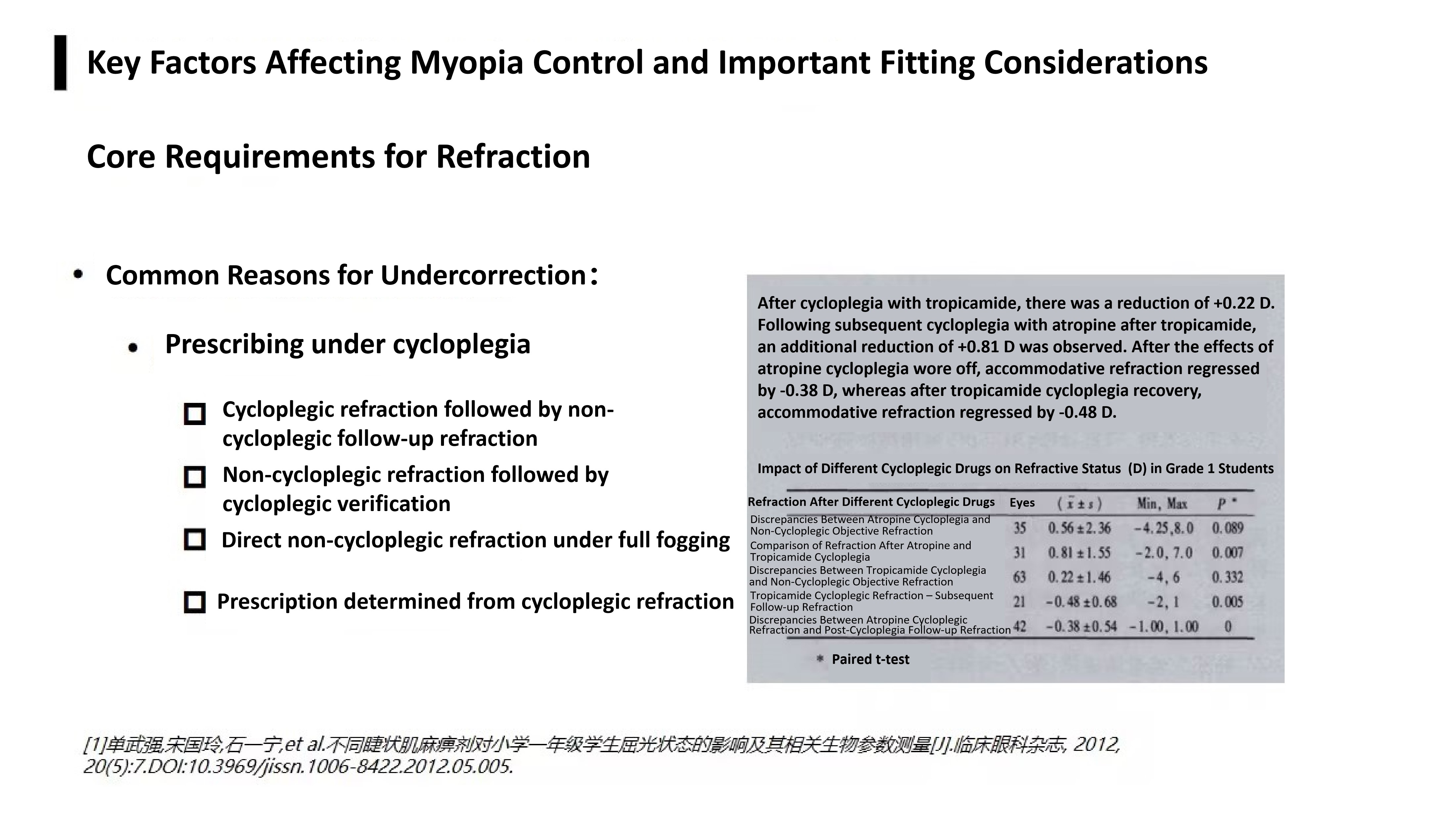
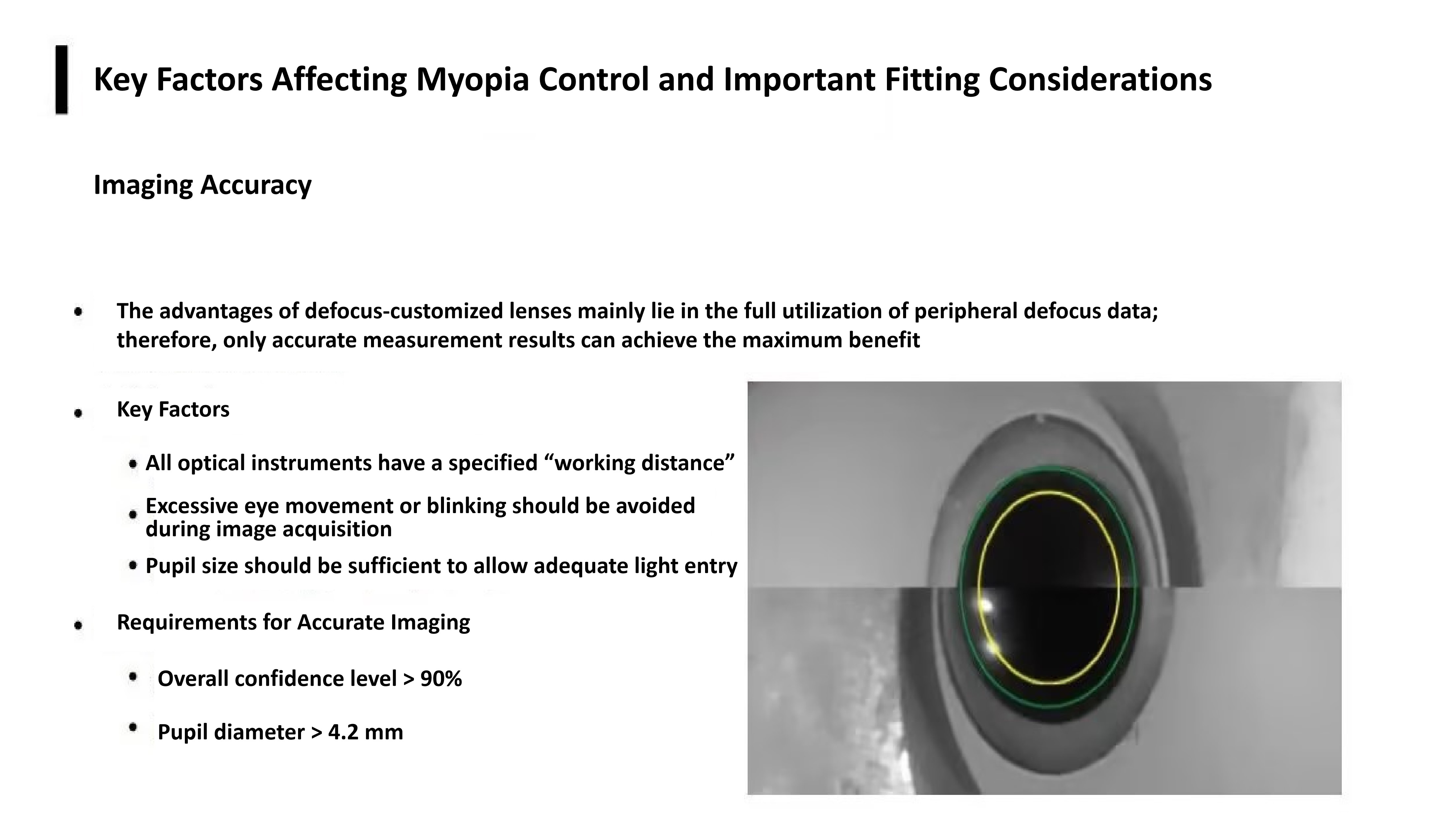
At the same time, it is essential to ensure the accuracy of MRT imaging during the fitting process. Parameters such as pupil size and imaging distance must meet the standards (with an overall confidence level exceeding 90%) to provide a reliable data foundation for personalized customization.
In addition, Dr. Xuechuan Dong also shared detailed requirements regarding frame selection and lens assembly processes, and provided guidance on fitting considerations for special patients, such as those with strabismus or impaired visual function, offering comprehensive technical instructions for standardized clinical fittings.

Summary: Empowering Practice Through Academia to Advance Precision Myopia Control
The fourth session of the MRT Lecture Series combined “clinical case evidence + technical analysis” to demonstrate both the practical and scientific value of MRT. The presentation of a three-year zero myopia progression clinical case validated the core value of MRT personalized data in defocus-customized spectacles, while the review of fitting standards provided clinicians with practical guidance to avoid pitfalls and improve myopia control quality. During the meeting, participating experts engaged in in-depth discussions on MRT imaging details and fitting considerations for special patients, reaching multiple consensuses that further strengthened the clinical standardization of MRT technology. The successful hosting of this session established an effective academic platform for professionals in the field of myopia control.
Meeting recording link: https://meeting.tencent.com/crm/2YRrpPAb83

Shenzhen Thondar Technology Co., Ltd
Add: Floor 2, Building 13C, Zhonghaixin Innovation Industrial City, Longgang District, Shenzhen City, China 518112
Tel:+86-755-28377276
Fax:+86-755-84535972
Email: global@thondar.com


